English
 русский
 Español
 عربى
عربى Türk
Türk
Email us now!

Supermarkets and retail shops are continuing to adopt Non-Woven Bags as practical options for carrying and packaging goods. As customers grow more attentive to reusable products, these bags provide a convenient way to transport groceries and household items during daily shopping activities. Their structure, durability, and adaptability make them a dependable alternative to single-use packaging materials in various retail environments.
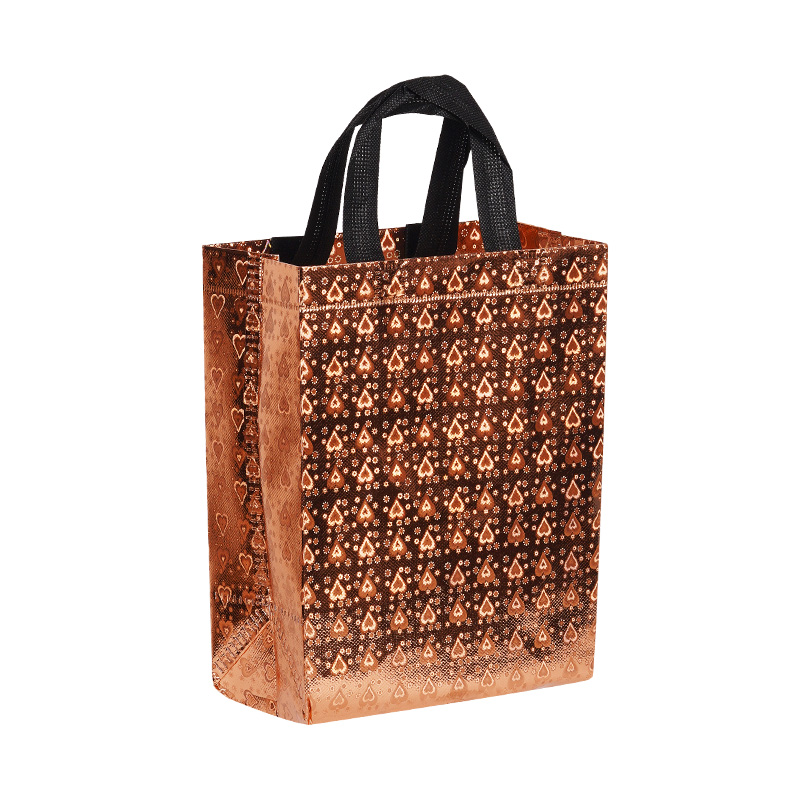
Growing Use in Supermarkets
In many stores, shoppers appreciate bags that can be reused for multiple visits. Non-woven materials help stores offer packaging solutions that remain strong enough to hold a range of items. Supermarkets often select these bags because they can support heavier groceries such as boxed goods, produce, and beverages. The reinforcement of the handles and the even texture of the material contribute to a smooth carrying experience, making them suitable for checkout areas and self-service counters.
Advantages of Packaging Requirements
Packaging needs have changed over the years as customers look for more sustainable and reusable options. Non-woven structures are suitable for packing both light and moderately heavy products. These bags allow products to remain organized during transport, especially when designed with bottom inserts or side gussets. Retailers also rely on them to enhance the shopping experience by offering customers reliable alternatives to traditional disposable bags.
Features That Enhance Usability
The material used in Non-Woven Bags supports consistent shape retention, which helps prevent tipping or tearing during daily activities. The surface texture is compatible with various printing methods, providing room for patterns, instructions, or creative layouts. Their ability to fold flat also makes storage simple for both retailers and consumers. Some models include longer handles for shoulder carrying, while others use short handles better suited for hand carrying.
Customization for Branding
Retail environments often require customizable packaging to display messaging or reinforce store identity. Non-woven materials allow flexible customization, including size, fabric thickness, handle length, and printing. Retailers often design these bags with colors that match their store themes, seasonal campaigns, or promotional activities. The flexibility of customization makes it easier for businesses to give shoppers a functional item that also communicates brand values.
Sustainability Considerations in the Market
The increasing preference for reusable items has supported the broader use of these bags. As customers look for ways to rely less on disposable packaging, stores respond by providing reusable options that meet lifestyle needs. Non-woven materials are lightweight yet sturdy enough for regular use, encouraging customers to return with the same bag for multiple shopping trips. This shift enhances the store’s commitment to packaging solutions that align with long-term environmental considerations.
Outlook for Retail and Packaging Applications
With consistent demand from supermarkets and general retail outlets, Non-Woven Bags are likely to maintain their presence in packing and carrying applications. Their adaptability, structural reliability, and compatibility with printing technologies make them suitable for a wide range of retail uses. As customers continue seeking reusable resources, these bags provide an affordable and efficient option that fits everyday shopping routines.
Adapting to Various Aspects of Daily Life
For individuals, selecting a bag involves considering how it will be used. A thicker, higher GSM bag might be chosen for heavier loads if longevity is a priority. There is also growing awareness and availability of bags made with materials that have different environmental characteristics. Ultimately, each reuse of a Non-Woven Bag is a practical action. By integrating these durable bags into various routines, from shopping to commuting, individuals can build a habit of reusability that aligns with a more considered approach to consumption and waste.