English
 русский
 Español
 عربى
عربى Türk
Türk
Email us now!

Packaging Needs in Food and Retail
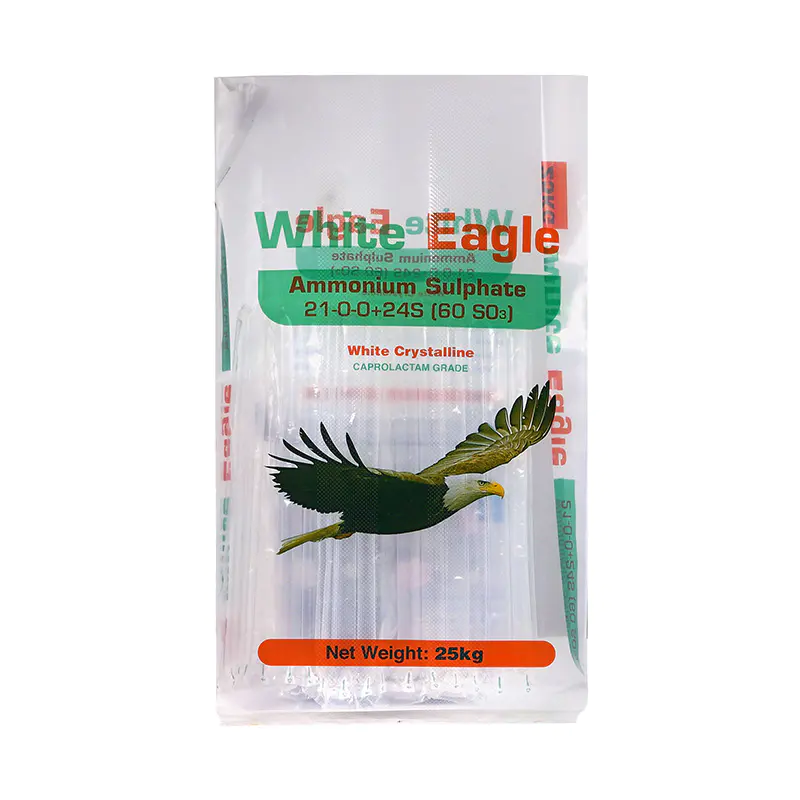
Paper Plastic Composite Bags are increasingly recognized as essential tools for durable and reliable packaging in both the food and retail industries. Their combination of paper and plastic layers ensures protection against moisture, physical stress, and external damage during transportation and storage. Unlike traditional single-material bags, these composite bags are engineered to maintain their structural integrity even under heavy load. Alongside these, Non-Woven Bags are becoming a popular choice for businesses looking to provide reusable, lightweight, and eco-friendly packaging options. While Paper Plastic Composite Bags offer robust protection and versatility, Non-Woven Bags complement them by offering flexibility, convenience, and sustainability benefits. Together, they represent a modern approach to packaging that meets operational, aesthetic, and environmental needs across various industries.
Material Advantages of Paper Plastic Composite Bags
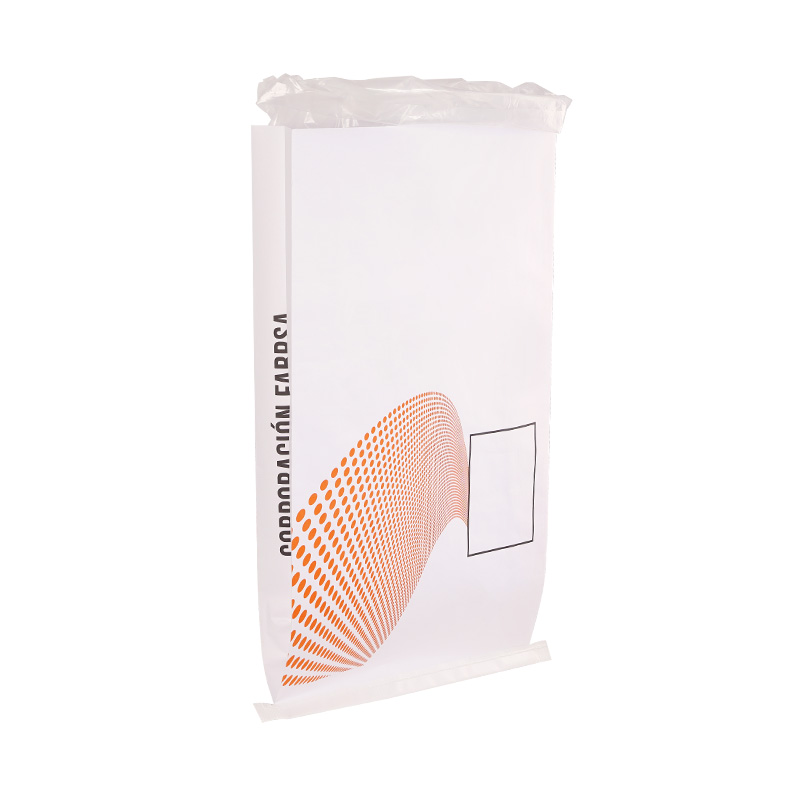
The primary strength of Paper Plastic Composite Bags lies in their multi-layer construction, which combines the rigidity of paper with the protective qualities of plastic. This design allows the bags to resist tearing, puncturing, and moisture intrusion, which are critical factors in the safe transport of food and retail products. Paper provides structure and a surface suitable for printing, while plastic layers contribute water resistance and durability. In contrast, Non-Woven Bags, made from fabric-like polypropylene or similar materials, provide lightweight yet durable alternatives. They excel in repeated usage scenarios, such as grocery shopping or promotional giveaways. When considering packaging solutions, businesses can evaluate the benefits of each material: Paper Plastic Composite Bags excel in strength and protection, while Non-Woven Bags offer repeated usability and environmental advantages.
Applications in Food Packaging
In the food sector, maintaining product integrity is paramount. Paper Plastic Composite Bags provide a strong barrier against external moisture and contaminants, which is especially important for dry goods like grains, flour, snacks, and baked items. Their layered structure helps maintain freshness and prevents accidental spillage. Non-Woven Bags, while less rigid, offer reusable options for grocery purchases, takeout items, and produce bags. They encourage sustainable consumption by reducing reliance on disposable packaging. Many businesses now use both materials strategically: Paper Plastic Composite Bags for bulk, fragile, or long-distance shipments, and Non-Woven Bags for daily use by consumers seeking eco-conscious alternatives.
Applications in Retail Packaging
Retail packaging benefits not only from protective qualities but also from design and branding opportunities. Paper Plastic Composite Bags can carry heavier merchandise while retaining their shape and visual appeal, making them suitable for premium goods or bulk retail items. Non-Woven Bags provide lightweight alternatives for casual shopping, promotional giveaways, and loyalty programs. They can be printed with brand logos, marketing messages, or seasonal designs, offering repeated visibility as consumers reuse them. Using both types of bags allows retailers to balance functionality, brand communication, and environmental considerations effectively.
Design and Branding Opportunities
Paper Plastic Composite Bags also provide opportunities for custom printing, including logos, product information, and promotional messaging. Their sturdy surfaces hold printed designs effectively, making them ideal for conveying brand identity. Non-Woven Bags similarly support printed branding but have the added advantage of being reusable, which reinforces brand visibility each time they are used by consumers. By incorporating both types of bags into packaging strategies, businesses can provide durable protection while promoting sustainability and extending the reach of their brand messaging.
Choosing the Right Packaging Strategy
Paper Plastic Composite Bags and Non-Woven Bags together provide businesses with a flexible, durable, and sustainable packaging toolkit. Paper Plastic Composite Bags ensure product safety and integrity during transport, while Non-Woven Bags offer reusable, eco-conscious alternatives that resonate with modern consumers. By strategically combining these materials, businesses in food, retail, and related industries can protect their products, enhance brand presence, and contribute positively to environmental sustainability. Choosing the right mix of packaging solutions ensures that operational needs are met without compromising on consumer expectations or ecological responsibility.