English
 русский
 Español
 عربى
عربى Türk
Türk
Email us now!

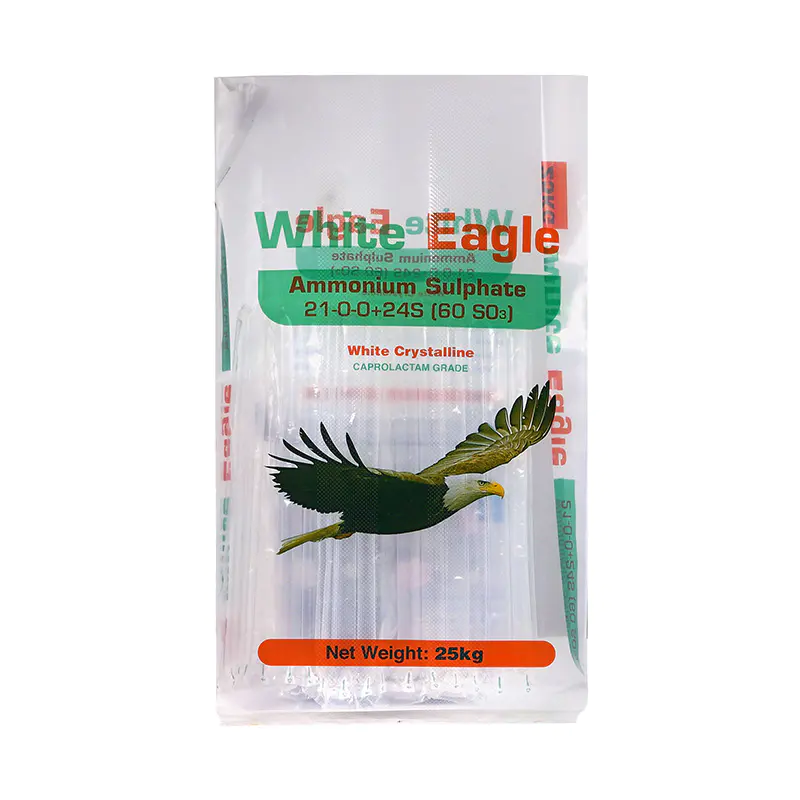
Paper Plastic Composite Bags are widely valued for their unique combination of strength, versatility, and eco-friendly performance. They are carefully constructed to withstand moisture, rough handling during transit, and the rigorous demands of long-distance transportation while maintaining the integrity of the enclosed products. Non-Woven Bags complement these core strengths by offering lightweight, reusable, and environmentally conscious packaging alternatives. Together, these two material solutions provide a comprehensive packaging portfolio for businesses seeking reliable options that align with sustainability objectives and meet modern consumer expectations for both functionality and eco-responsibility.
Strength and Durability
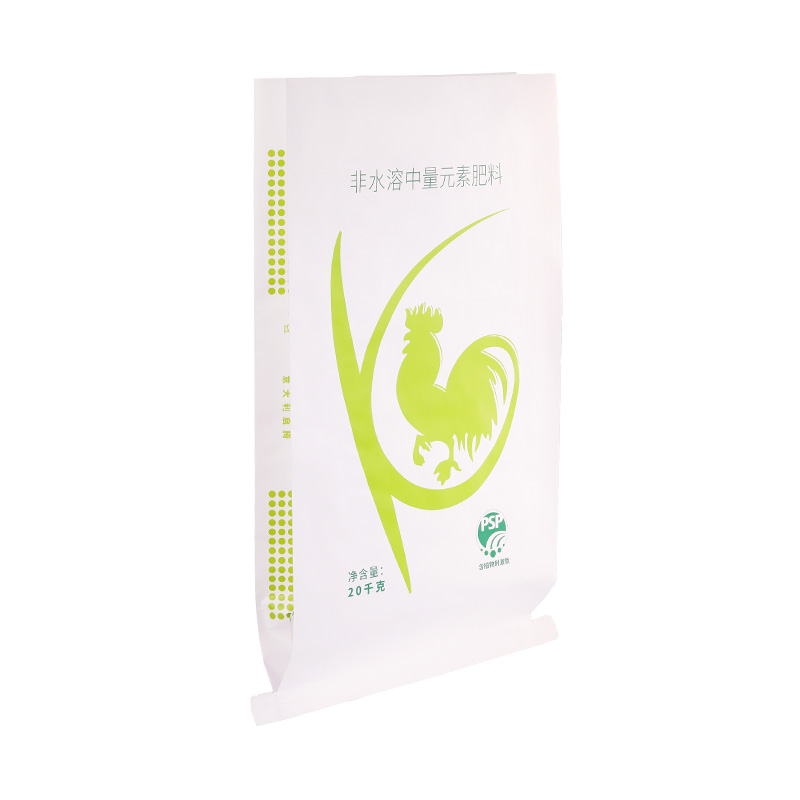
The layered construction of Paper Plastic Composite Bags creates a robust barrier against tears, punctures, and external impacts, making them particularly suitable for packaging heavy, sharp-edged, or fragile products. Non-Woven Bags, although significantly lighter in weight, are engineered to carry repeated loads without losing their shape, structural integrity, or load-bearing capacity. Their inherent reusable nature empowers consumers to reduce their reliance on single-use disposable alternatives, thereby contributing to broader environmental conservation efforts. For businesses, the strategic combination of these materials ensures that both operational efficiency needs and evolving consumer preferences are addressed effectively and sustainably.
Versatility Across Industries
Paper Plastic Composite Bags can accommodate a wide range of shapes, sizes, and product types, spanning from perishable food items and industrial parts to premium retail merchandise. Their design flexibility enables safe storage, secure transportation, and enhanced visual appeal—all of which are crucial for driving customer satisfaction and brand loyalty. Non-Woven Bags are equally versatile, finding applications in everyday grocery shopping, promotional giveaways at events, and long-term reusable consumer packaging. By utilizing both types of bags, companies can tailor solutions to different scenarios, ensuring that packaging remains functional, aesthetically pleasing, and aligned with sustainability goals.
Eco-Friendly Considerations
Environmental responsibility has become an increasingly prominent concern for both businesses and conscious consumers worldwide. Paper Plastic Composite Bags, while exceptionally durable, may face inherent challenges in recycling due to their mixed-material composite nature. Non-Woven Bags offer a practical, complementary solution through their long-term reusability, which directly reduces the demand for disposable packaging alternatives. Integrating both materials into a cohesive packaging strategy allows businesses to maintain the necessary strength and product protection while actively promoting environmentally conscious practices. Additionally, guiding consumers on proper ways to reuse or recycle these materials further amplifies the overall sustainability impact of the packaging ecosystem.
Practical Applications
Paper Plastic Composite Bags are commonly utilized in food packaging (especially for dry goods and takeout), retail merchandise display, and logistics and shipping operations. Their durability ensures that products remain intact during transportation, while customizable printed designs support brand storytelling and targeted marketing efforts. Non-Woven Bags complement these applications by offering reusable, lightweight options that align with consumer expectations for eco-conscious, convenient, and long-lasting packaging. Together, these materials enable businesses to create tailored packaging solutions that are reliable, functional, and environmentally responsible across diverse use cases.
Paper Plastic Composite Bags and Non-Woven Bags together deliver a balanced blend of strength, versatility, and sustainability. Businesses can strategically choose the right material or combination of materials to meet specific operational requirements while resonating with environmentally conscious consumers. By integrating durability, functional design, and eco-friendly options into their packaging strategies, companies can effectively protect products, strengthen brand identity, and promote responsible consumption habits among their customer base.