English
 русский
 Español
 عربى
عربى Türk
Türk
Email us now!

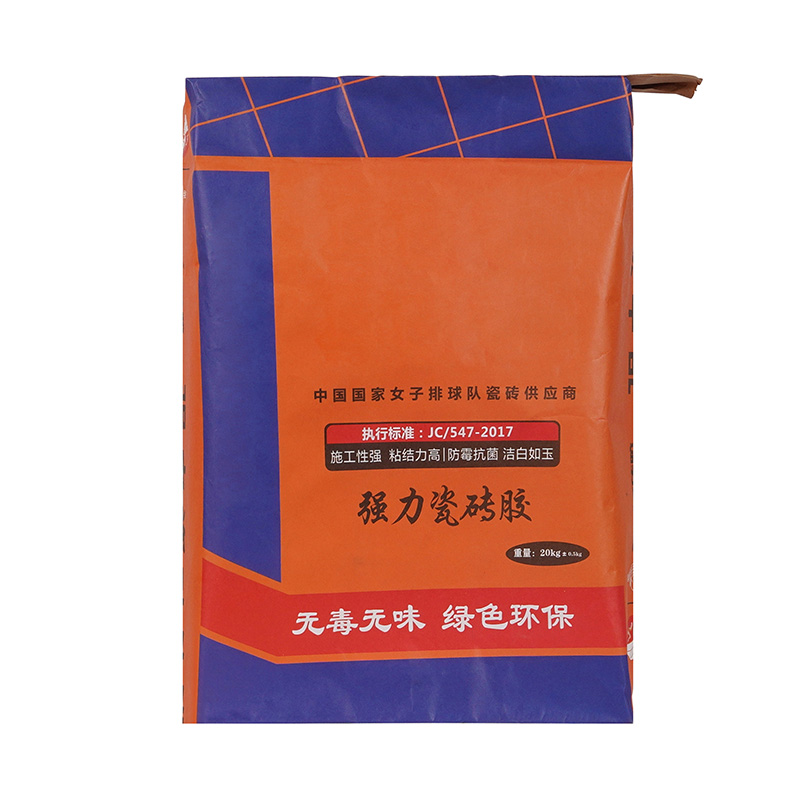
The adoption of Valve Bags is increasing within the food, animal feed, and agricultural sectors. This growth is connected to a set of functional benefits that align well with modern production, distribution, and quality assurance needs in these industries. Valve Bags provide a packaging method that can support hygiene, operational flow, and product protection from the processor to the end-user.
Foundations in Hygiene and Product Integrity
A central factor in this adoption is the closed-system filling process inherent to Valve Bags. During packing, the product is directed into the bag through a valve, minimizing both dust release into the atmosphere and the potential for external contaminants to enter the bag. This is a meaningful consideration for food products like flour, starch, sugar, powdered dairy, and various additives, where maintaining cleanliness is governed by strict standards. For animal feed and agricultural inputs like premixes or seed, this containment helps preserve nutritional value and prevent cross-contamination. The integrity of the sealed bag also acts as a barrier against moisture and pests during storage, which is a common concern for these products.
Contributing to Supply Chain and Operational Efficiency
From a handling perspective, Valve Bags offer logistical advantages. Their flat, stable top after sealing allows for neat, compact pallet stacking. This efficient use of space is beneficial in warehouses and during transportation. Furthermore, the design of Valve Bags is inherently compatible with automated filling lines. Modern form-fill-seal systems can integrate the creation and filling of the bags at a controlled pace, supporting consistent bag weights and reducing the need for direct manual labor around the packing station. This aspect of automation contributes to smoother production workflows in facilities processing large volumes of dry goods.
Adaptation to Specific Segment Needs
The application of Valve Bags is not uniform but adapts to the nuances of each sub-sector. In pet food packaging, for instance, there is often a focus on robust barrier materials to retain flavors and fats, coupled with high-quality graphics for shelf appeal in retail environments. For commercial animal feed, durability to withstand handling and weather exposure during transport and farm storage is a common requirement, along with clear, standardized labeling.
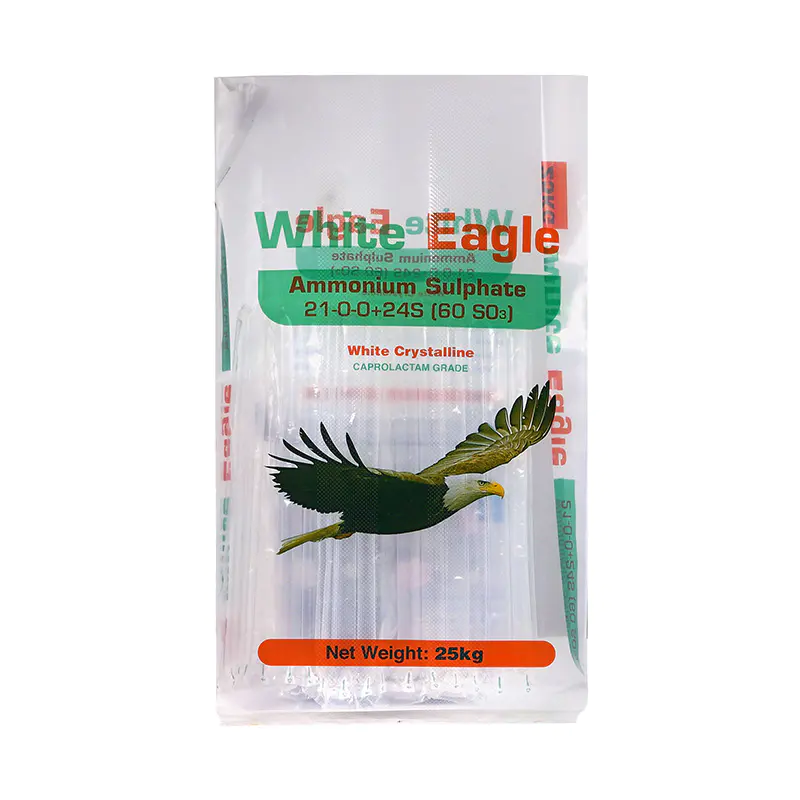
Within agriculture, packaging for fertilizers or soil amendments might emphasize chemical resistance and strength, while seed packaging requires specific moisture and climate control properties to maintain germination rates. The versatility of Valve Bags—available in various materials like paper, polyethylene, woven polypropylene, and with different liner options—allows them to be configured for these diverse needs.
Meeting Market Expectations
The rising use of Valve Bags in food, feed, and agriculture reflects a packaging solution that meets several current industry conditions. It addresses the persistent need for product protection and hygiene, fits into increasingly automated production environments, and provides a stable, space-efficient format for distribution. As supply chains for these essential goods grow longer and more complex, and as attention to quality and safety remains prominent, the practical characteristics of Valve Bags contribute to their expanding role. Their growth is less about displacing all other forms and more about filling a specific and growing niche where their combination of containment, efficiency, and adaptability provides a clear functional match for producers and packers.