English
 русский
 Español
 عربى
عربى Türk
Türk
Email us now!

When transporting chemicals, ensuring safety and following proper guidelines is a priority for many companies and individual users. Chemical Bags are an essential component in maintaining compliance with safety standards during transportation. These bags are designed to securely contain hazardous substances, reducing the risk of accidental spills or contamination. Awareness of legal and industry standards helps prevent potential accidents and supports responsible handling of hazardous materials. Users should consider both national and international regulations, including proper labeling, documentation, and packaging requirements for the specific chemicals being shipped. Familiarity with these rules can minimize issues during transport and ensure that emergency personnel are informed in case of an incident.
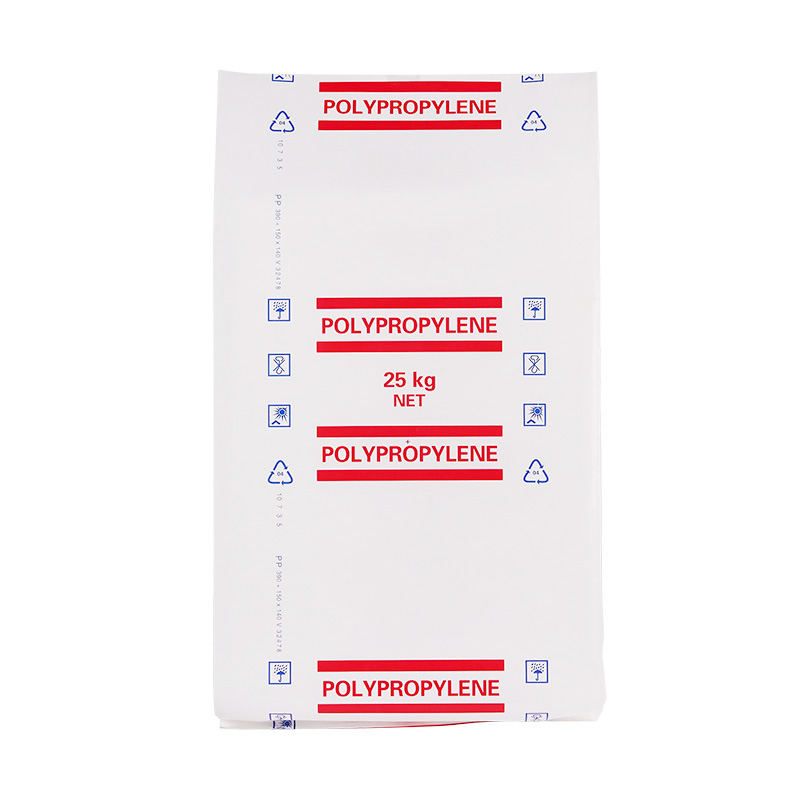
Certified Bags for Safety Assurance
Using certified chemical bags ensures that the materials being transported are adequately protected. Bags that meet recognized safety certifications are often tested for resistance to a range of chemicals, including corrosive and reactive substances. These certifications also cover features such as leak resistance, durability under pressure, and the ability to withstand environmental conditions during transport. Selecting the correct type of chemical bag based on the material being shipped is crucial. Some bags are designed to handle liquids, while others are better suited for powders or granulated chemicals. Ensuring that the bag matches the chemical properties reduces the risk of leaks, spills, and contamination during transit.
Proper Handling and Packaging Practices
Correct handling of chemical bags is essential for safe transport. Bags should be sealed correctly to prevent exposure to air or moisture that might cause chemical reactions. Packaging should also take into account the size, weight, and stability of the contents. Overstacking or improper placement of bags can cause crushing or rupturing, potentially causing dangerous spills. In addition, incompatible chemicals must be stored separately within transport vehicles or storage areas to prevent reactions. Using dividers, pallets, or other stabilizing tools helps maintain order and reduces hazards during movement. Employees responsible for handling chemical bags should receive thorough training on safety procedures, including how to recognize hazards and respond to emergencies.
Labeling and Documentation
Accurate labeling and documentation are essential components of chemical safety. Chemical bags should include all required information, such as the chemical name, hazard symbols, handling instructions, and emergency response measures. Documentation should accompany the shipment to provide clear guidance for transporters, handlers, and emergency personnel. Regular audits of labels and documents can ensure that all information is up to date and accurate. Keeping records also helps organizations demonstrate compliance with regulatory authorities and provides transparency throughout the supply chain.
Transport Safety Measures
During transport, chemical bags may be exposed to various environmental conditions, including temperature changes, humidity, and vibrations. Monitoring these conditions is important for certain sensitive chemicals. Properly securing bags within vehicles and storage areas reduces the risk of movement that could cause damage or spills. Ventilation is another consideration, particularly for chemicals that release gases or fumes. Protective equipment, such as gloves and masks, should be used by personnel handling chemical bags, especially during loading and unloading. Implementing these safety measures helps prevent accidents and protects both workers and the environment.
Emergency Response Planning
Preparation for unexpected incidents is critical when transporting hazardous materials. Chemical bags should be accompanied by safety data sheets and emergency contact information. Staff should be trained in spill containment, cleanup procedures, and one aid measures related to chemical exposure. Emergency response plans should address potential risks and outline clear steps for containment, notification, and mitigation. Being prepared for emergencies reduces the severity of accidents and ensures that the impact on people and the environment is minimized.
Using chemical bags in accordance with safety regulations and handling guidelines can significantly improve the safety of transporting hazardous materials. Proper selection, handling, packaging, labeling, and monitoring practices are all critical to reducing risks. By following these approaches, organizations can support safe transportation, reduce potential hazards, and maintain compliance with relevant standards. Awareness, preparation, and careful execution are key factors in promoting safe and responsible chemical transport.