English
 русский
 Español
 عربى
عربى Türk
Türk
Email us now!

Non-Woven Bags have developed beyond simple reusable carriers, now offering enhanced performance through waterproof coatings and laminated finishes. As consumers and businesses seek bags that combine durability with practical protection, these surface treatments have become increasingly common. While PP Ton Bags focus on heavy industrial transport and bulk material handling, both product types share polypropylene as a core material. This versatility highlights how the same base polymer can support lightweight consumer applications as well as demanding industrial uses.
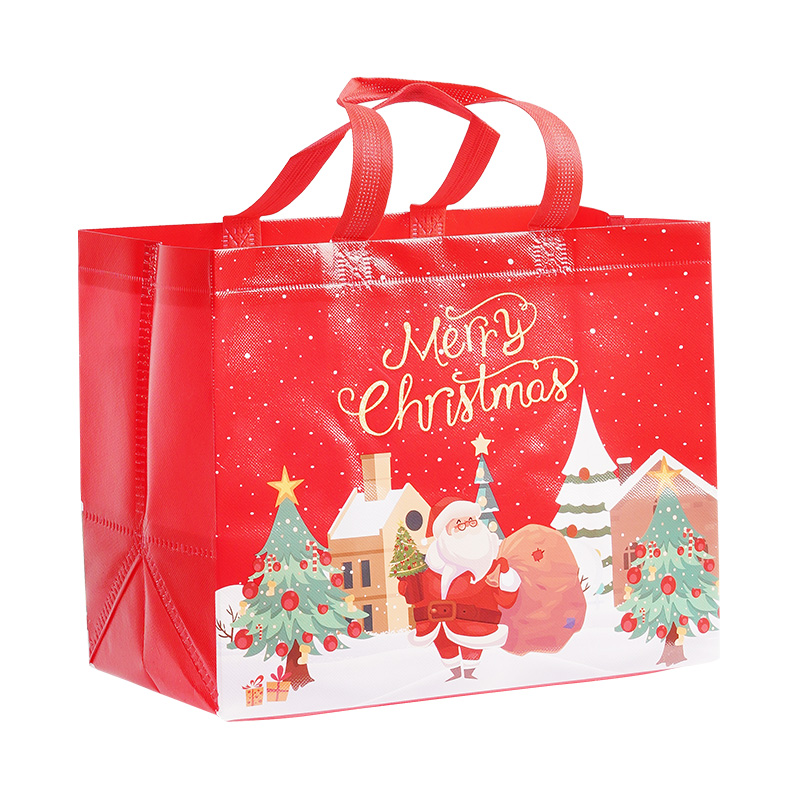
The Role of Waterproof Coatings
Standard Non-Woven Bags are breathable and lightweight, which makes them convenient for daily shopping and promotional events. However, exposure to moisture can affect both the contents and the fabric over time. Waterproof coatings address this issue by applying a thin protective layer to the bag’s surface. This layer helps prevent water penetration, making the bags suitable for carrying groceries, beverages, or personal items in rainy conditions.
In addition to moisture resistance, coatings can increase structural stability. The added layer reinforces the bonded fibers, helping the bag maintain its shape during repeated use. Although PP Ton Bags are not typically designed for decorative surface treatments, they may include protective liners for transporting sensitive materials. This demonstrates how polypropylene products can be adapted to meet different functional needs.
Laminated Finishes and Visual Appeal
Lamination involves bonding a film layer to the exterior of Non-Woven Bags. This process can produce either a glossy or matte finish, enhancing both durability and appearance. Laminated surfaces resist abrasion, stains, and fading more effectively than untreated fabric. As a result, they are frequently chosen for retail promotions, exhibitions, and branded packaging where visual presentation is important.
Beyond aesthetics, lamination strengthens the surface structure. It reduces fraying along edges and protects printed graphics from wear. In comparison, PP Ton Bags emphasize reinforced stitching and load-bearing straps rather than decorative finishes, reflecting their industrial purpose. The contrast between these two products highlights how design priorities vary depending on usage context.
Coated vs. Non-Coated Non-Woven Bags
Selecting between coated and non-coated Non-Woven Bags depends largely on the intended application. Uncoated bags remain flexible, breathable, and easy to fold, which supports portability and convenient storage. They are suitable for dry goods and short-term carrying needs.
Coated or laminated variants provide additional resistance to moisture and dirt, though they may feel slightly firmer. This added protection can extend the functional life of the bag when exposed to frequent handling or changing weather conditions. Understanding these trade-offs allows buyers to choose a design that balances portability with enhanced protection.
PP Ton Bags offer a useful comparison. Designed to transport bulk agricultural or construction materials, they prioritize strength and stability over portability. Their construction reflects industrial requirements rather than consumer convenience, yet both products demonstrate the adaptability of polypropylene materials.
Environmental Considerations
The addition of coatings and lamination raises questions about sustainability. While Non-Woven Bags reduce reliance on disposable plastic through repeated use, additional film layers may influence recyclability. However, extended durability can offset environmental concerns by reducing the need for replacement. Responsible disposal and reuse remain important factors in minimizing environmental impact.
PP Ton Bags, often reused multiple times in logistics operations, also require proper end-of-life management. In both consumer and industrial contexts, durability contributes to sustainability when products are maintained and reused responsibly.
Applications Across Different Settings
Coated and laminated Non-Woven Bags are widely used in retail environments, educational institutions, and trade exhibitions. Their protective surfaces make them practical for carrying items that need shielding from moisture or surface damage. Businesses value the enhanced printing clarity offered by lamination, which supports long-term brand visibility.
Meanwhile, PP Ton Bags serve industries such as agriculture and construction, where secure transport of bulk materials is essential. The coexistence of these two product categories illustrates how polypropylene-based solutions can address both everyday consumer needs and demanding industrial tasks.
Choosing the Appropriate Finish
Non-Woven Bags with waterproof coatings and laminated finishes provide added protection, durability, and improved visual quality. These enhancements make them suitable for a range of consumer and promotional uses, particularly in environments where moisture or repeated handling is a concern. PP Ton Bags, though designed for entirely different applications, demonstrate the broader potential of polypropylene materials across industries. By evaluating usage conditions, environmental considerations, and functional requirements, buyers can select Non-Woven Bags with the surface treatment that good aligns with their specific needs.