English
 русский
 Español
 عربى
عربى Türk
Türk
Email us now!

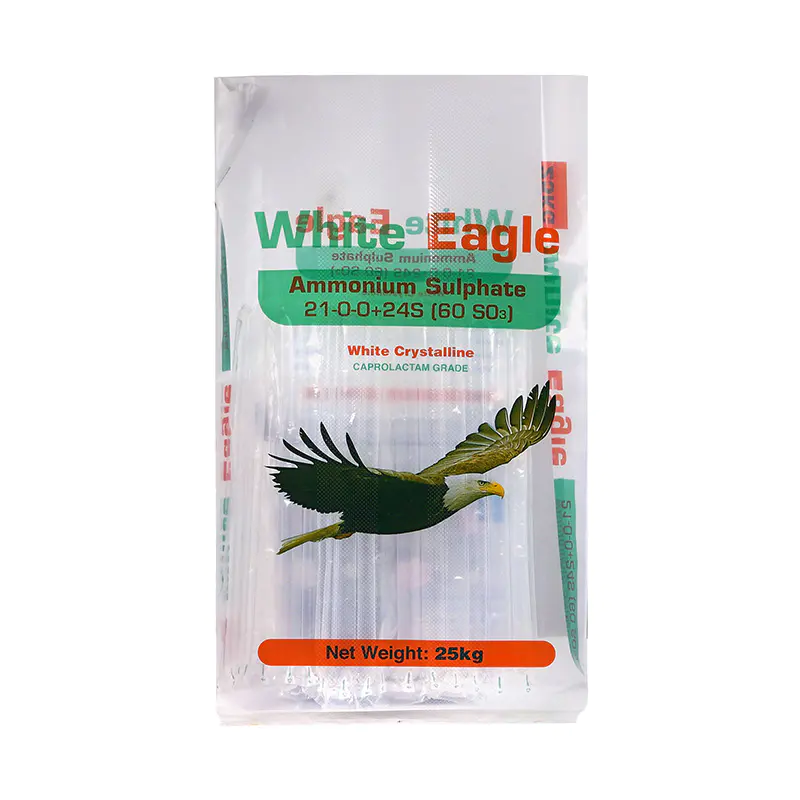
Proper storage and transportation of chemicals require careful selection of containers that can endure prolonged use without compromising safety. Chemical Bags are a common choice for many industries because they offer flexibility, containment, and protection against potential hazards. The material of these bags directly impacts their durability, chemical resistance, and overall performance. Selecting the right material can help prevent leaks, maintain chemical stability, and reduce the need for frequent replacements, contributing to more efficient and safer operations.
Understanding Material Types
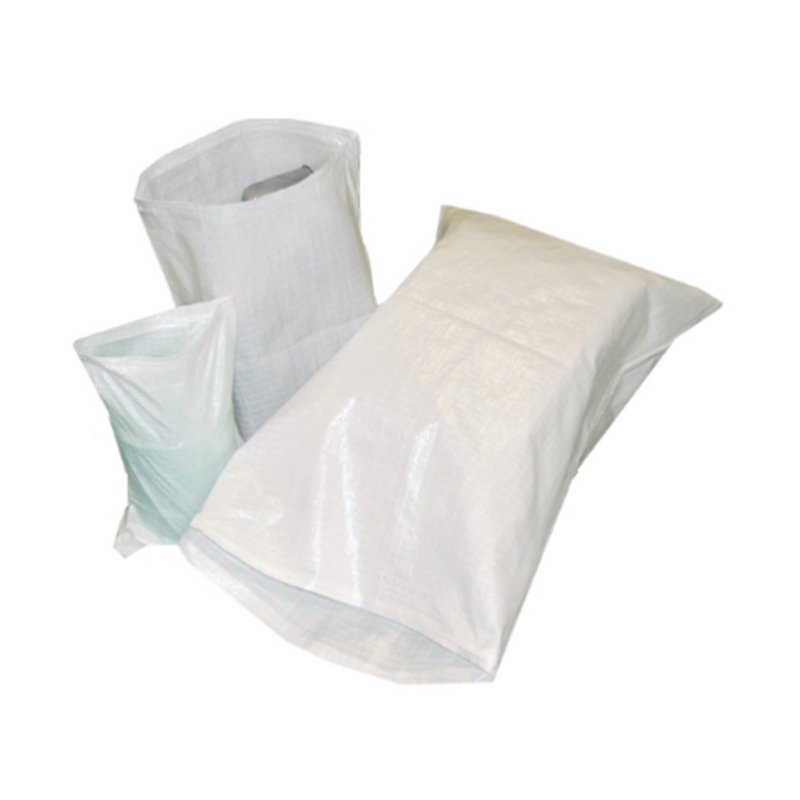
Chemical bags are available in a range of materials, each offering specific benefits. Polyethylene (PE) is popular due to its lightweight, flexible, and moisture-resistant properties. It works well for general chemicals that are not highly reactive. Polypropylene (PP) is often chosen for its higher strength and better resistance to certain acids and alkalis. Woven or laminated materials provide extra durability and are commonly used for heavier chemicals or when stacking is required. Understanding the characteristics of each material allows users to select the appropriate bag for their specific chemical and usage conditions.
Durability Factors
Durability is an essential aspect to consider for long-term chemical storage. Factors influencing durability include thickness, construction technique, and reinforcement features. Bags with reinforced seams or multi-layered walls are better able to resist punctures, abrasion, or deformation during handling. The durability of a bag ensures that chemicals remain contained, even during frequent handling or long periods of storage. Choosing durable materials reduces the risk of spills and contamination, enhancing both workplace safety and operational efficiency.
Chemical Resistance Considerations
The ability of a chemical bag to resist degradation from its contents is critical. Different materials interact differently with chemicals; some plastics may weaken or corrode when exposed to acids, bases, or solvents. Selecting a material tested for compatibility with the chemical in storage helps maintain integrity and prevents accidents. Bags with higher chemical resistance are particularly important for industrial settings where reactive or corrosive chemicals are common. Understanding these interactions allows users to avoid material failures and maintain a safer storage environment.
Environmental Impact on Material Performance
Storage conditions can also affect the longevity of chemical bags. Factors such as temperature fluctuations, humidity, and exposure to sunlight may degrade materials over time. Using bags that are resistant to environmental stressors helps ensure long-term performance. For outdoor storage or transport, materials with additional protective layers or coatings can offer increased stability. Evaluating how environmental conditions influence material performance is an important step in selecting the right chemical bag.
Customization and Special Features
Some chemical bags can be customized for additional protection or usability. Features such as inner liners, multi-layered construction, or anti-static treatments for flammable chemicals can improve performance. Reinforced bottoms, resealable openings, or special closures enhance convenience and ensure that the bag continues to function effectively under demanding conditions. Customizations allow users to tailor bags to specific chemicals and operational needs, improving safety and efficiency while extending service life.
Handling and Maintenance
Even with long-lasting materials, proper handling and maintenance are necessary. Bags should be stored in stable, dry areas away from direct sunlight and sharp objects. Regular inspections for signs of wear or damage can help identify issues early and prevent potential spills. Staff should be trained to handle bags carefully during transport or stacking, ensuring that the bags maintain their integrity over time. Adopting good handling practices helps maximize the lifespan of chemical bags and preserves safety standards.
Choosing the right material for chemical bags is a key factor in ensuring durability, chemical resistance, and safety during storage and transport. Understanding material types, evaluating chemical and environmental interactions, and considering custom features support longer service life and safer handling. Combined with proper maintenance and careful handling, well-chosen chemical bags contribute to efficient operations, reduced risks, and protection of both personnel and materials. Thoughtful material selection ensures that chemical storage solutions remain reliable over time.