English
 русский
 Español
 عربى
عربى Türk
Türk
Email us now!

Non‑Woven Bags have become increasingly common in retail and personal use, providing an alternative to single-use plastic bags while also supporting reusable lifestyles. Consumers, businesses, and event organizers are exploring Non‑Woven Bags for their combination of durability and lightweight convenience. Meanwhile, PP Ton Bags continue to serve industrial purposes, supporting the transport and storage of bulk materials. Understanding the differences between Non‑Woven Bags and traditional plastic bags is essential for making informed choices that balance environmental impact, durability, and cost-effectiveness.
Material Composition and Structure
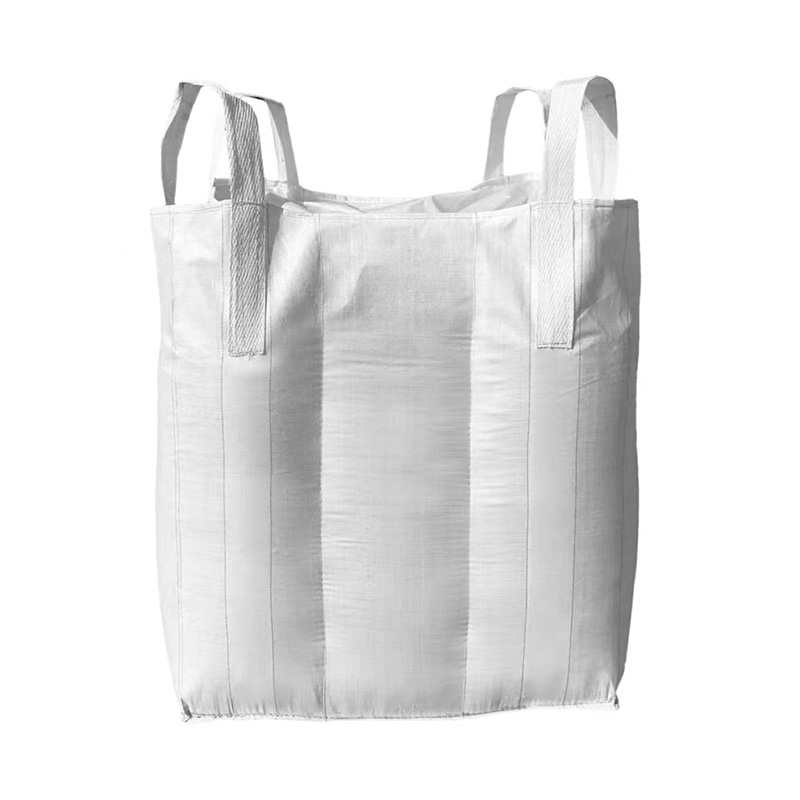
Non‑Woven Bags are made from polypropylene fibers that are bonded together, creating a flexible but strong fabric. This construction allows the bags to resist tearing while remaining lightweight enough for easy handling. Plastic bags, in contrast, are generally made from thin polyethylene sheets that stretch under pressure and are prone to punctures. The structure of Non‑Woven Bags gives them the ability to hold heavier and irregularly shaped items without collapsing or tearing. PP Ton Bags, although made from polypropylene as well, use woven layers and reinforced stitching to handle very large weights, illustrating the versatility of the material across applications.
Durability and Usability
Durability is one of the main factors driving interest in Non‑Woven Bags. These bags can be used repeatedly for groceries, retail purchases, or promotional purposes without significant wear. Plastic bags, designed for single-use, often tear easily and lose their shape quickly, making them less practical for multiple trips. PP Ton Bags showcase a different side of polypropylene’s durability, engineered to carry industrial quantities of grain, sand, or construction materials. The difference in durability between consumer-oriented Non‑Woven Bags and industrial PP Ton Bags highlights how material choice and design affect performance in various contexts.
Environmental Considerations
Environmental impact is a critical component of the comparison. Non‑Woven Bags reduce reliance on single-use plastics, decreasing the amount of plastic waste entering landfills and waterways. Although Non‑Woven Bags are not always biodegradable, their repeated use extends their life cycle compared to plastic bags. Proper disposal and recycling of Non‑Woven Bags can further reduce environmental harm. Plastic bags, being lightweight and inexpensive, often contribute to litter and are more challenging to manage after disposal. PP Ton Bags, due to their size and industrial use, also require careful handling to mitigate environmental impact, but they are durable enough for multiple reuses in logistics, minimizing waste compared to single-use alternatives.
Consumer Preferences and Market Trends
Shoppers increasingly prioritize reusable and durable bags for everyday use. Non‑Woven Bags are chosen not only for environmental reasons but also for their convenience and customizable options, such as printing, colors, and sizes. Businesses, event organizers, and retailers favor Non‑Woven Bags for branding purposes and for providing an eco-conscious image. PP Ton Bags, in contrast, remain essential in industrial and agricultural sectors, highlighting how polypropylene products serve diverse needs. Both bag types demonstrate the material’s adaptability, whether for lightweight personal use or large-scale bulk handling.
Comparative Analysis
When comparing Non‑Woven Bags and plastic bags, the main factors to consider are longevity, strength, environmental impact, and user convenience. Non‑Woven Bags outperform plastic bags in reusability and strength for repeated consumer use. They are less likely to tear or deform, making them suitable for carrying groceries, books, or gifts. PP Ton Bags, while not a consumer product, provide insight into how polypropylene can be engineered for load capacity, offering a contrast between consumer-focused and industrial applications.
Non‑Woven Bags and PP Ton Bags represent different applications of polypropylene products, tailored to meet specific needs. Non‑Woven Bags offer a reusable, environmentally conscious alternative to single-use plastic, supporting daily consumer use while reducing waste. PP Ton Bags provide a solution for transporting and storing heavy materials safely and efficiently. Understanding the differences in durability, material structure, and environmental impact allows consumers and businesses to select the right bag for their specific requirements, whether for personal use, promotional purposes, or industrial operations.