English
 русский
 Español
 عربى
عربى Türk
Türk
Email us now!

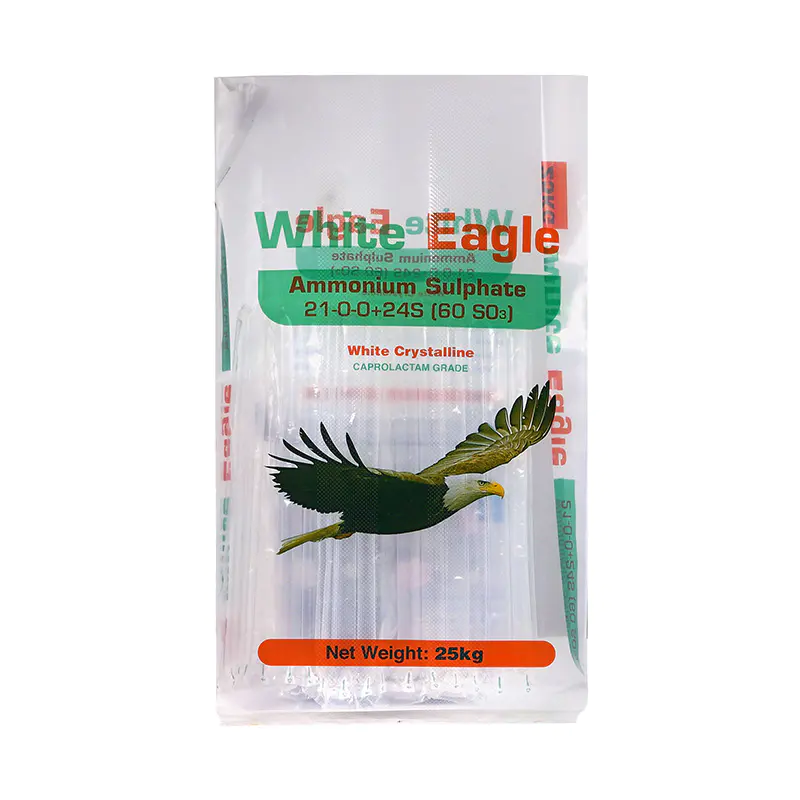
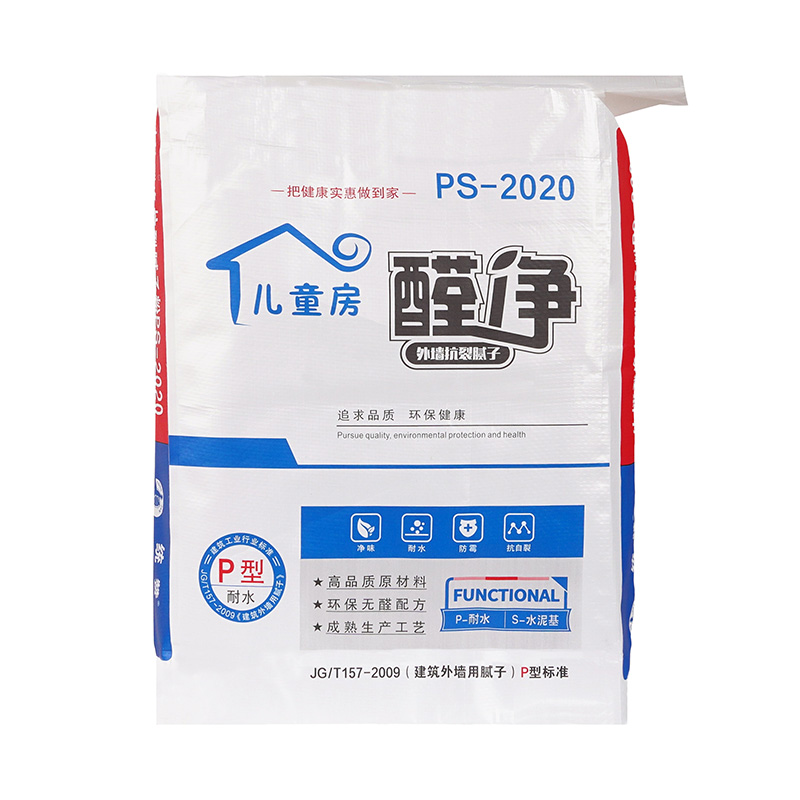
The performance of Valve Bags during extended shipping and handling is a critical area of focus for global supply chains. Products packed in Valve Bags often travel over long distances, facing a series of physical and environmental challenges from the filling line to the final destination. Evaluating how these bags maintain their integrity and protect their contents under such conditions is essential for ensuring reliable delivery.
Resisting Physical Stresses in Transit
Long-distance logistics subject packaging to sustained physical forces. One of the primary challenges is compressive load during stacked palletisation in shipping containers or vessel holds. Valve Bags must possess adequate strength to resist deformation or failure under this pressure over time, which relates to the base fabric's construction and the durability of the bag's seams or bottom fold.
Vibration and friction are other constant factors during road and sea transport. The motion can cause bags to rub against each other and against container walls, which tests the abrasion resistance of the bag surface and the durability of any printed graphics. Additionally, handling events like loading and unloading introduces risks of impacts or snagging. The packaging must therefore be designed to have a robust resistance to tearing and puncture from such incidental contact, preserving both the bag and the pallet's stability.
Withstanding Climatic and Environmental Variables
The external environment during transit can vary significantly. Changes in humidity and temperature are typical, particularly in sea freight, where conditions within a container can differ from the external climate. Valve Bags intended for moisture-sensitive contents often incorporate polymer liners or coatings to provide a functional barrier against water vapour, helping to prevent product clumping, caking, or degradation.
Temperature fluctuations can also affect material properties. Packaging films and fabrics need to retain flexibility and seal strength in cooler conditions, while also maintaining structure and integrity if exposed to warmer environments. For some products, limiting oxygen ingress is another consideration, influencing the choice of barrier materials within the bag's construction to preserve quality over extended periods.
Design and Specification for Enhanced Durability
To meet the demands of long-distance shipping, Valve Bags can be engineered with specific attributes. This includes selecting yarns and weaves in woven bags that provide a balanced combination of tensile strength and flexibility, or using multi-layer film structures in liner bags for improved barrier properties. The design of the bag bottom, whether gusseted or folded, is assessed for its load-bearing capacity. Furthermore, the method of creating the valve and sealing the bag—through heat sealing or adhesive—is executed to ensure consistent closure that remains secure under dynamic conditions.
Validation Through Testing and Practical Experience
Assessing a bag's suitability for long hauls typically involvestandardiseded testing protocols that simulate transit hazards. These may include tests for drop impact, where filled bags are dropped from a set height to check for seam integrity; compression testing to evaluate stacking capability; and vibration testing on a platform to mimic road transport. The outcomes of such tests help in refining bag specifications.
In practice, the reliable performance of Valve Bags over long distances confirms their role as a viable packaging component for global trade. It is a result of understanding the full journey a packed product will undertake—from the initial pallet build through multiple handling nodes and varying climatic zones—and specifying the packaging accordingly. For shippers, this due diligence in selecting and testing Valve Bags is a fundamental part of risk management within the supply chain, aiming to ensure that products arrive in a condition that meets the expectations of all parties involved.